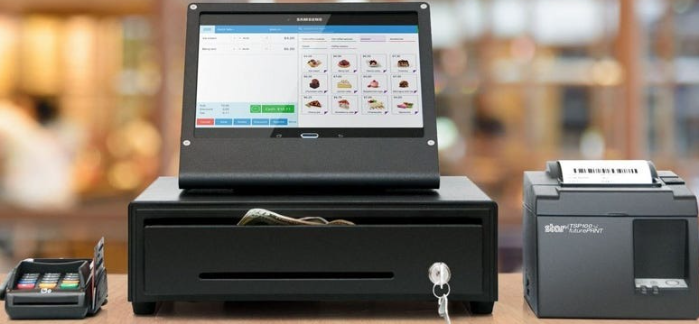
Introduction
Running a high-volume retail store comes with constant operational challenges. Convenience stores, liquor stores, gas stations, and smoke shops must manage fast customer checkouts, maintain accurate inventory counts, prevent theft, and monitor employee activity — all while keeping operations efficient across one or multiple locations.
Traditional cash registers and outdated software often create more problems than solutions. Manual inventory tracking, disconnected reporting systems, and limited oversight can lead to costly shrinkage and operational inefficiencies. That is why many independent retailers are now investing in smarter retail technology designed specifically for high-volume operations.
Modern POS platforms do more than process payments. They help store owners monitor inventory in real time, improve accountability, streamline daily workflows, and gain visibility into every transaction happening inside the business.
Why a POS System Matters for High-Volume Retail Stores
Retail businesses that handle hundreds or thousands of daily transactions need tools that can keep up with demand. A slow or outdated checkout system can frustrate customers and create operational bottlenecks during busy hours.
A modern POS system with inventory management gives retailers the ability to streamline operations while maintaining better control over stock levels and employee performance. Instead of relying on spreadsheets or manual inventory checks, store owners can automatically track product movement, monitor shrinkage, and receive real-time reporting from anywhere.
For convenience stores and liquor stores in particular, speed and visibility are critical. High transaction volume often increases the risk of inventory discrepancies, pricing errors, and employee theft. An advanced POS platform helps reduce these risks while improving day-to-day efficiency.
See also: business intelligence analysis report
Common Challenges Retailers Face
Inventory Inaccuracies
One of the biggest issues for independent retailers is inaccurate inventory tracking. Products may be misplaced, improperly scanned, or sold without being recorded correctly. Over time, these inconsistencies lead to stock shortages, overordering, and lost revenue.
Real-time inventory synchronization helps eliminate these issues by automatically updating inventory levels after every sale, return, or adjustment.
Employee Shrinkage and Theft
Shrinkage remains a major concern for retail businesses across the United States. Employee theft, unauthorized discounts, fake returns, and unrecorded transactions can significantly impact profitability.
Without proper oversight tools, identifying suspicious activity becomes difficult and time-consuming.
Multi-Store Management Difficulties
For operators managing multiple retail locations, maintaining consistency across stores can be challenging. Owners often struggle with disconnected reporting systems and delayed access to operational data.
Cloud-based management platforms allow operators to monitor sales, inventory, and employee performance remotely from a centralized dashboard.
How SuperSonic POS Helps Retail Businesses Operate More Efficiently
SuperSonic POS is designed specifically for high-volume retail businesses such as convenience stores, liquor stores, smoke shops, gas stations, and vape stores. Unlike generic POS systems built for broad retail categories, it focuses on the operational needs of businesses that process frequent transactions and require tighter inventory control.
One of the platform’s strongest advantages is its real-time inventory management system. The software uses AI-powered inventory tools that support SKU auto-categorization, vendor management, and streamlined receiving processes. This helps retailers maintain more accurate stock counts while reducing manual workload.
Another standout feature is its camera-to-POS loss prevention technology. The system connects transactions directly to security footage, allowing owners to review suspicious actions such as voids, no-sales, or excessive discounts. This added layer of accountability can help reduce shrinkage and improve employee oversight.
The cloud-based back office also provides remote monitoring and real-time reporting for single-store and multi-location operators. Owners can check store performance, inventory movement, and transaction activity from virtually anywhere.
Additionally, SuperSonic POS integrates with widely used business tools including QuickBooks, DoorDash, Uber Eats, Grubhub, and Davos Sales Tax. Flexible payment support includes digital wallets, mobile payments, and dual pricing capabilities.
For independent retailers who need ongoing assistance, the company also offers 24/7 U.S.-based customer support and onboarding help.
Comparing Specialized POS Systems vs Generic Retail Solutions
Many small retailers initially choose well-known generic POS systems because of brand recognition. While those platforms may work for basic retail environments, they often lack features tailored to high-volume operations.
Specialized systems designed for convenience stores and liquor stores typically offer:
- Faster checkout performance
- Better inventory tracking
- Advanced loss prevention tools
- Multi-store management capabilities
- Industry-specific reporting
- Vendor receiving support
Generic systems may be easier to set up initially, but they can become limiting as businesses grow or face operational challenges unique to high-traffic retail environments.
Retailers handling age-restricted products, high SKU counts, or multiple locations often benefit more from software specifically designed around their operational workflows.
The Growing Importance of Loss Prevention Technology
Retail theft and operational shrinkage continue to affect profitability across independent retail businesses. While external theft remains a concern, many store owners are increasingly focused on internal loss prevention strategies.
Technology now plays a major role in reducing these risks. POS systems with integrated transaction monitoring and video linkage allow owners to quickly investigate suspicious activity without manually reviewing hours of surveillance footage.
Features such as alert-based monitoring for voids, refunds, and discounts create greater transparency while encouraging employee accountability.
For high-volume retailers, even small reductions in shrinkage can have a significant impact on long-term profitability.
Choosing the Right POS System for Your Business
Selecting a POS platform should involve more than comparing pricing alone. Store owners should evaluate how well a system supports their daily operations and future growth.
Important factors to consider include:
- Inventory management capabilities
- Reporting and analytics
- Ease of employee management
- Payment flexibility
- Multi-store support
- Integration options
- Customer support availability
- Loss prevention features
Businesses operating convenience stores, liquor stores, gas stations, and smoke shops often require more specialized tools than standard retail environments.
The right POS system should simplify operations, improve visibility, and help owners make faster, more informed business decisions.
Conclusion
Modern retail businesses need more than a basic checkout terminal to stay competitive. Accurate inventory tracking, real-time reporting, employee accountability, and shrinkage prevention have become essential components of successful store operations.
For convenience stores, liquor stores, gas stations, and other high-volume retailers, investing in a reliable POS system with inventory management can improve operational efficiency while reducing costly inventory losses. Platforms like SuperSonic POS offer specialized features designed specifically for the unique challenges independent retailers face every day, helping business owners maintain greater control over their operations while preparing for future growth.